Protecting the High Seas
Why is it important to protect the high seas?
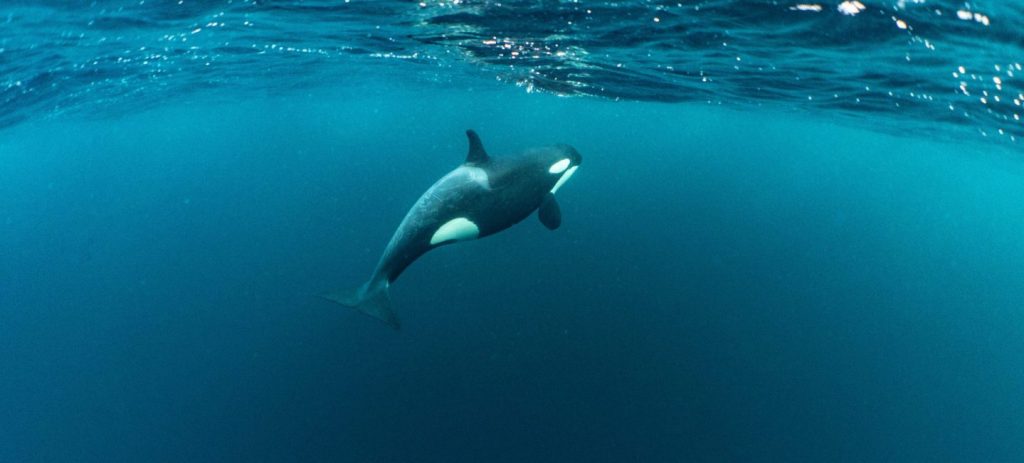
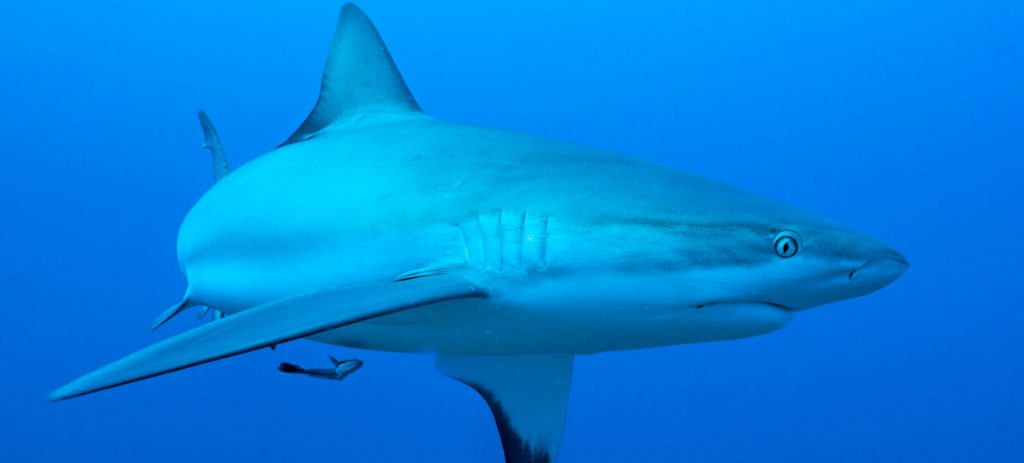
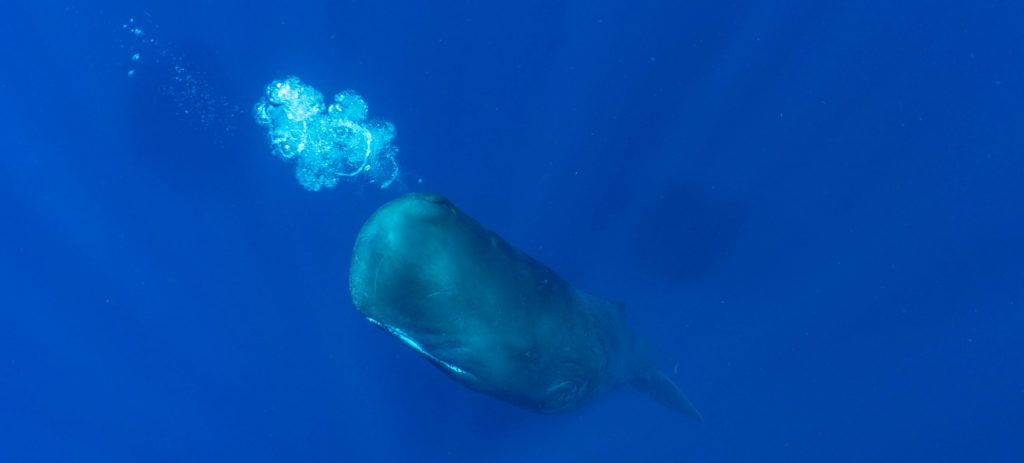
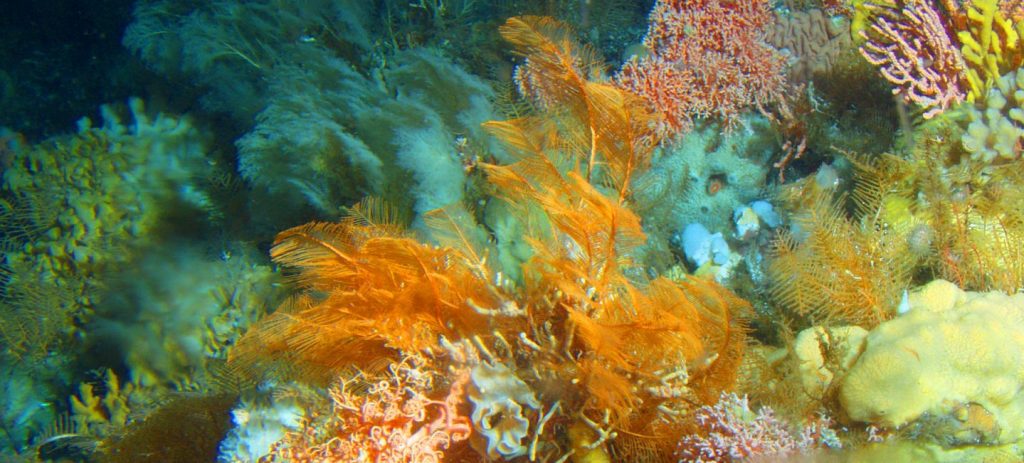
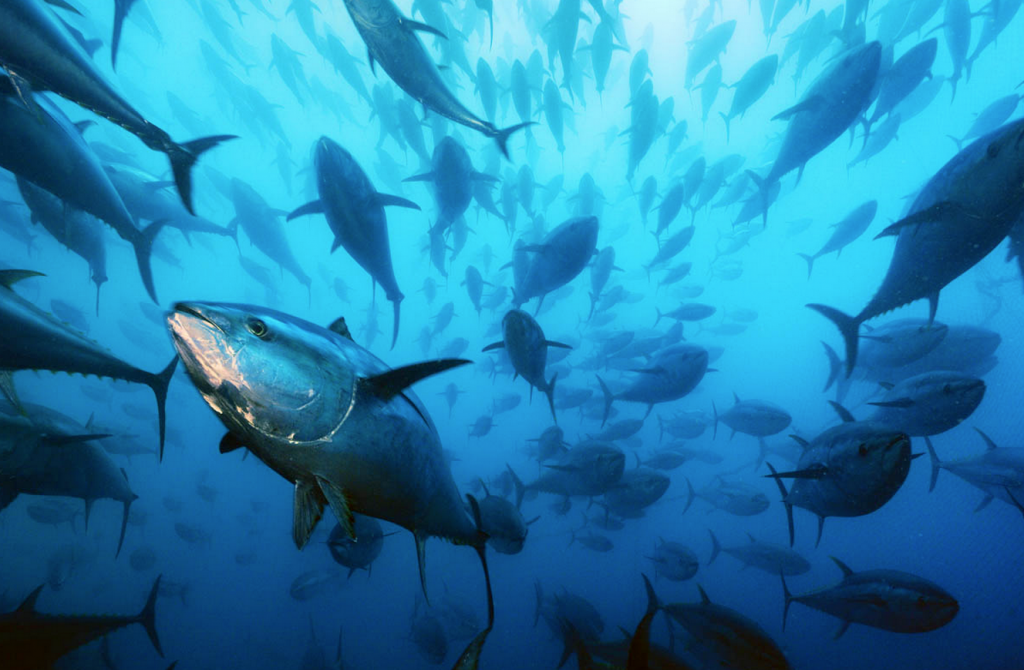
The high seas – the vast open ocean and deep seabed areas found beyond any country’s national jurisdiction – cover about half of the Earth’s surface and 64% of global ocean area. They hold great biodiversity but also remain the least-protected areas on our blue planet. The high seas are home to an array of unique and little-known species, including deep-dwelling fishes and invertebrates that live long, slow-motion lives in eternal darkness. The high seas also provide important habitat for many migratory species, such as whales, seabirds, sea turtles, tunas and sharks, that traverse ocean basins in search of food and mates.
How can we protect the high seas?
To conserve areas beyond national jurisdictions, the United Nations adopted the historic High Seas Treaty (also referred to as the Biodiversity Beyond National Jurisdiction or “BBNJ” Treaty) on June 19th, 2023, following nearly two decades of negotiations. As of September, 2025 143 countries have signed the treaty, and 56 have ratified it. Once it receives 60 ratifications, the agreement will enter into force after a 120-day period. Upon entering into force, signatories will have the ability to propose and implement measures for the conservation and sustainable use of marine biodiversity in areas beyond national jurisdiction, focusing on four main areas:
- Marine genetic resources and benefit-sharing
- Area-based management tools, including marine protected areas
- Environmental impact assessments
- Capacity-building and transfer of marine technology
We have joined a global community of organizations, experts, and coalitions to build support for the treaty in 2025, and are hoping to see ratification during the 80th United Nations General Assembly (UNGA) Meeting in New York this September.
In the meantime, as an active member of the High Seas Alliance, Deep Sea Conservation Coalition, and Coral Reefs of the High Seas Coalition, Marine Conservation Institute continues to be a strong and active advocate for protections on the high seas. Check out our High Seas Protection Portal, hosted by Marine Protection Atlas, to see where future high seas MPAs could be located once the BBNJ Treaty enters into force.
We have also mapped, analyzed, and reported on efforts taken to protect fragile deep ocean habitats from destructive industrial trawling, an indiscriminate fishing method that destroys habitat and leaves long-term impacts. We have attended UN meetings in our role as an NGO observer and supported side events to educate government officials and celebrate the incredible life that thrives on the high seas.