
Deep-Sea Corals
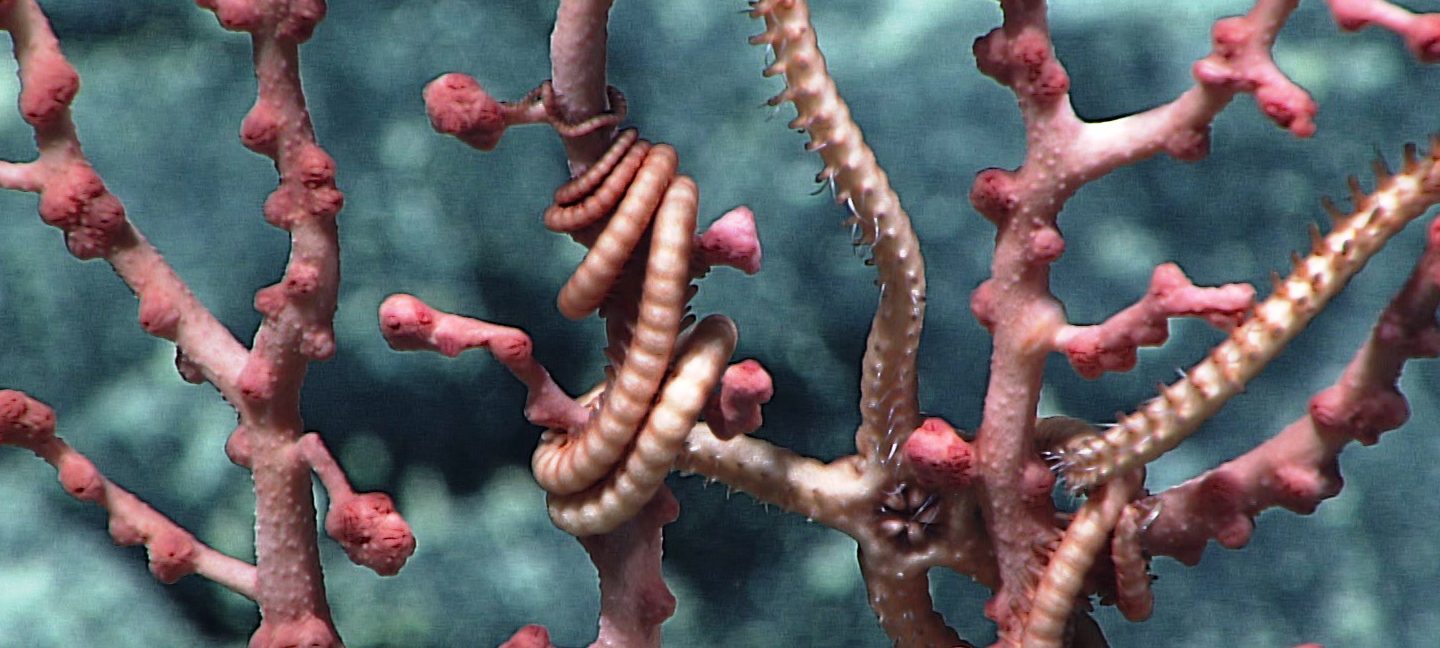
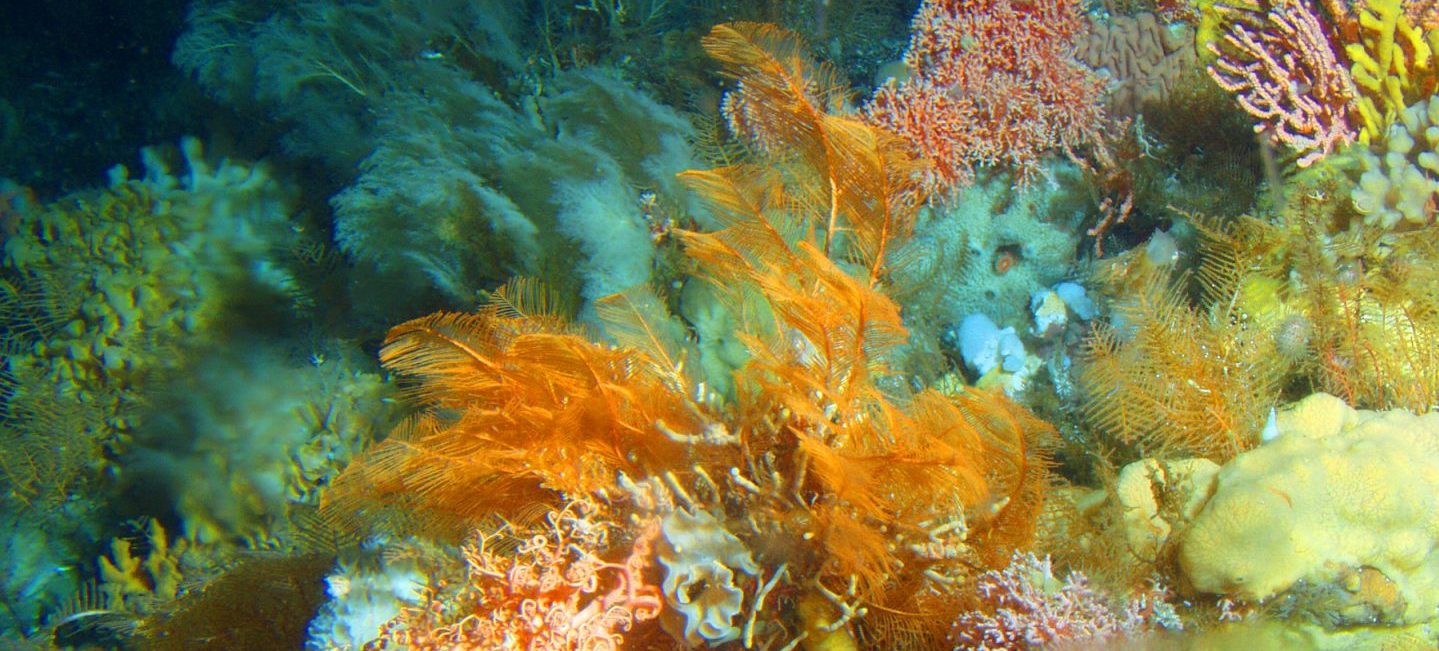
Coral reefs are spectacular, diverse ecosystems that are home to thousands of different species. While less well-known than tropical coral reefs, the majority of coral species actually grow in the dark, cold waters of the deep sea.
These corals, referred to as ‘deep-sea’ or ‘cold-water’ corals, from complex skeletal structures that provide shelter for vast numbers of associated fish and invertebrates in the otherwise sparsely populated deep sea. Deep-sea coral reefs can take tens of thousands of years to grow, and many deep-sea corals can live for centuries. The longevity and slow growth rate of these corals make these vital habitats extremely slow to recover from disturbance.
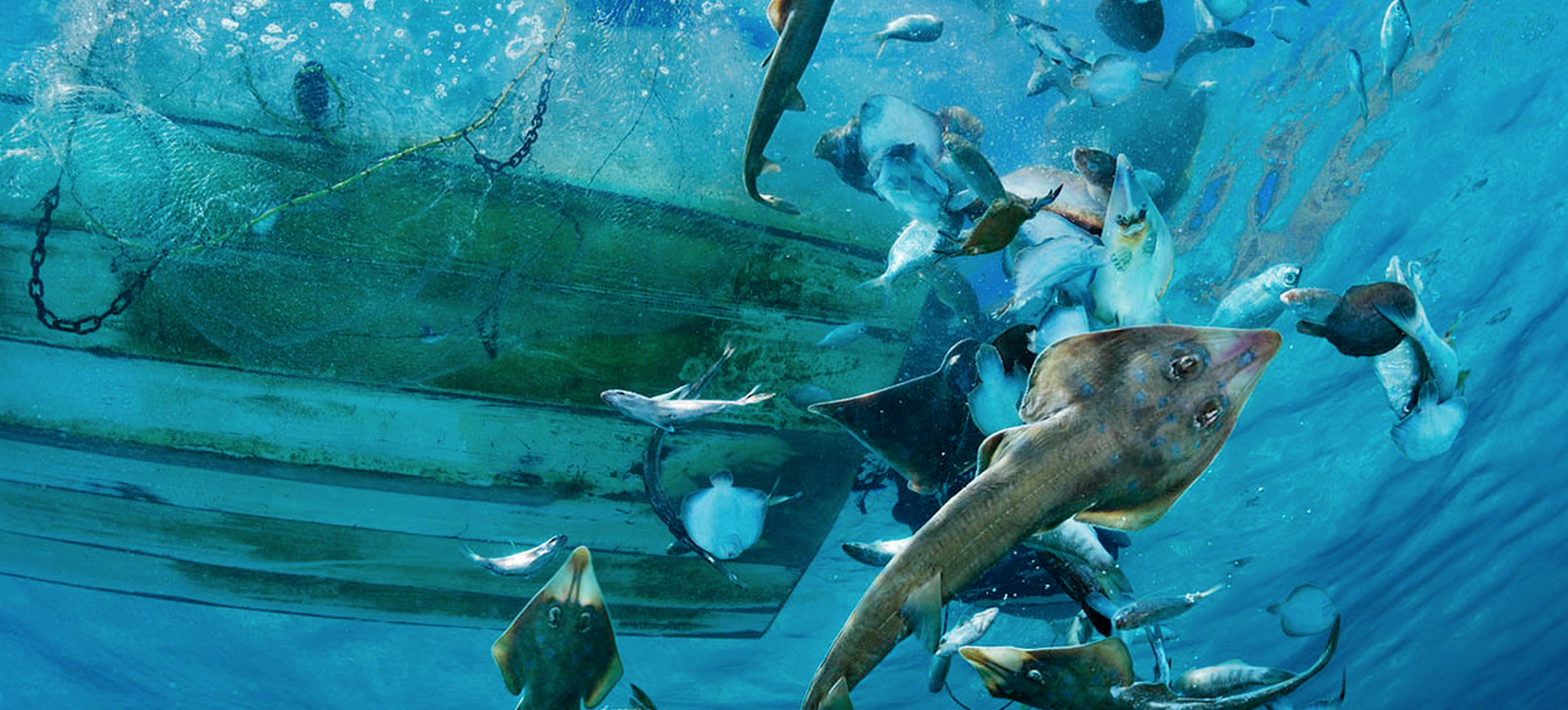
Despite their remoteness, deep-sea corals are already incurring significant damage from human activities. For example, bottom trawl fisheries often target deep reefs because they are the preferred habitat for a large number of commercially valuable species. Deep-sea corals’ skeletons are fragile and therefore highly vulnerable to physical damage from bottom trawl fishing gear. Like many other marine organisms, deep-sea corals are also sensitive to pollution, sedimentation, and the effects of climate change. Unfortunately, restoring damaged deep-sea environments is not feasible, making preemptive conservation activities critical for preserving these vulnerable and ecologically vital habitats. If destroyed, most deep-sea coral habitats will not recover within our lifetime.
Marine Conservation Institute is committed to protecting deep-sea coral ecosystems around the world. We conduct field research and modeling analyses to provide a scientific rationale for the improved protection of deep-sea coral habitats. In addition, we advocate for the end or mitigation of destructive fishing practices, climate change, and other human disturbances to these fragile ecosystems.
Recent Reports and Articles on Deep Sea Corals
Bottom-contact fishing persists in protected deep-sea habitats despite EU closures, new study finds
A new analysis of the world’s largest 100 marine protected areas (MPAs) published today in Conservation Letters suggests that governments are falling short on delivering the promise of effective biodiversity protection due to slow implementation of management strategies and failure to restrict the most impactful activities.
Read More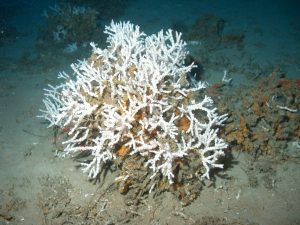
World’s First Deep-Water Coral Marine Protected Area Established in 1984 Off Florida Coast Now Facing Threat
Can the Biden-Harris administration move forward with America the Beautiful Plan if NOAA and Regional Fishery Management Councils Move Backwards? Friday, April 29, 2022Seattle, WA, USA Contacts: Mike Gravitz, Director of Policy and LegislationMarine Conservation InstituteMichael.Gravitz@marine-conservation.org301 351 5052 cell Dr.…
Read More
Deep Sea Takes CENTER STAGE in Ever Worsening Climate and Biodiversity Crises
Featured Image: Crossota millsae. Image courtesy of the NOAA Office of Ocean Exploration and Research, 2019 Southeastern U.S. Deep-sea Exploration. The future of the deep sea hangs in the balance As communities around the world are reeling from the impacts…
Read More